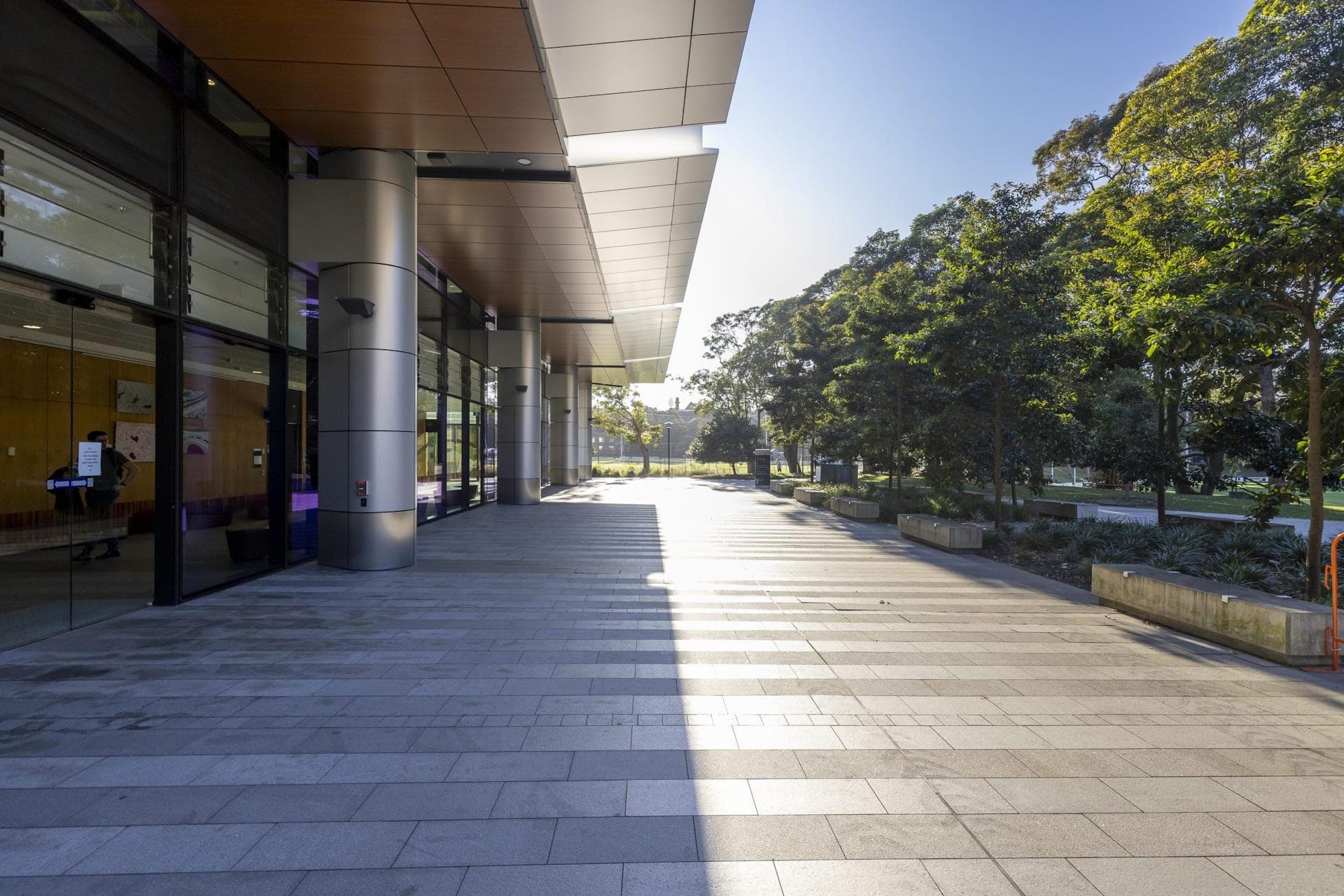
Understanding Facade Warranties: What Designers Should Ask Before Specifying Cladding
Warranties are often overlooked until problems arise, but they are one of the most important safeguards in façade specification. This white paper helps designers understand what is really covered, what is not, and the right questions to ask before signing off. Learn how to assess warranty terms, minimise project risk and protect long-term façade performance.
Facade systems operate in demanding environments, exposed daily to UV radiation, wind pressure and moisture. Their longevity depends on selecting materials and assemblies that maintain integrity over time. Warranties play a vital role in defining how responsibility is shared when performance issues arise. However, coverage can differ significantly between products and unclear terms may expose stakeholders to significant risk.
Understanding Facade Warranties: What Designers Should Ask Before Specifying Cladding is an essential guide that helps architects and specifiers evaluate facade warranties. It outlines the key elements to review in warranty documentation, from coverage limits and exclusions to maintenance obligations and transferability. Practical guidance and example questions help designers assess whether warranty terms align with project and client requirements.
Available from Network Architectural, ALPOLIC™ NC/A1 aluminium composite cladding distinguishes itself with its market-leading 20-year unconditional full-cover manufacturer’s warranty. Backed by Mitsubishi Chemical Infratec Co., Ltd., the warranty includes materials, labour, access and rectification costs. It requires no cleaning or maintenance to remain valid. Where other facade systems offer limited materials-only coverage or impose restrictive maintenance clauses, ALPOLIC™ provides genuine, end-to-end protection directly from the global manufacturer.
Related Articles
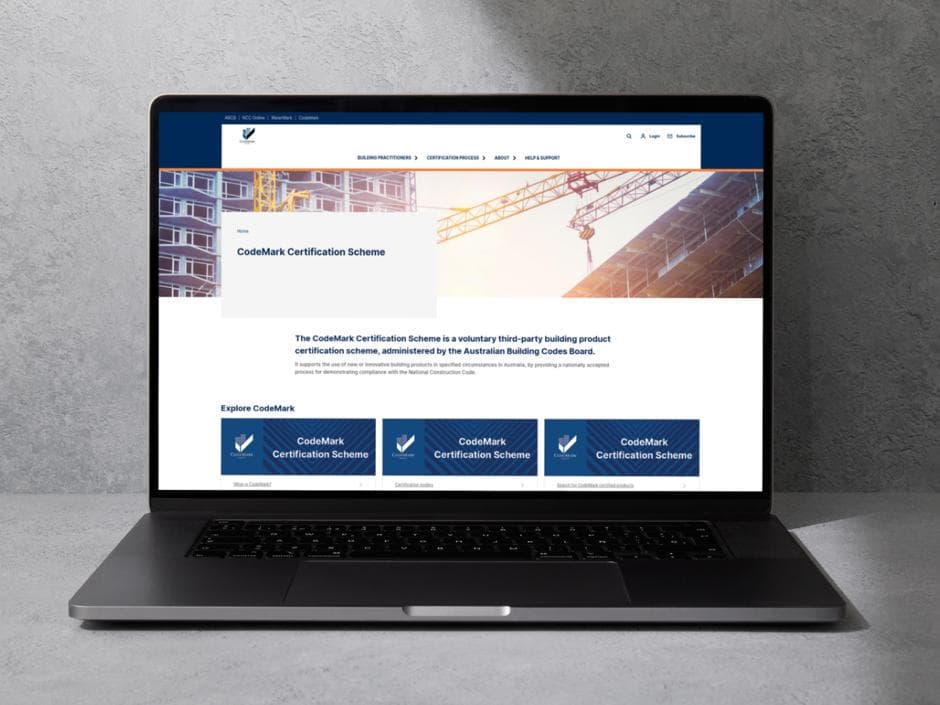
CodeMark Certification: Why Current, Valid Certification Matters For Your Next Project
Current CodeMark certification plays an important role in building product compliance and specification confidence. This article explains why certificate validity matters, what to check before relying on a CodeMark Certificate of Conformity, and how expiry dates, supporting documentation and manufacturing locations can impact product selection and project risk.
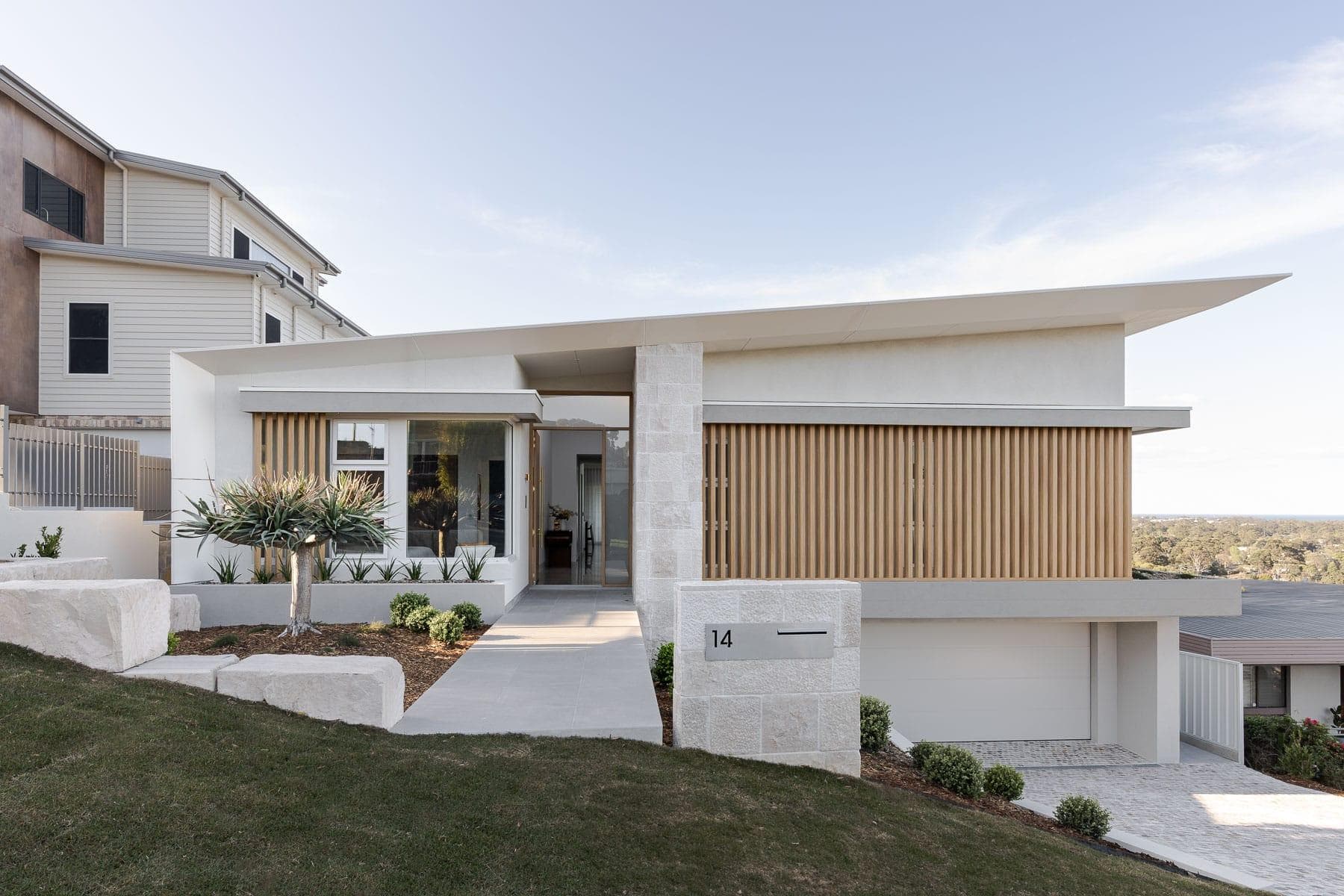
Customising Residential Facades
Residential architecture is moving beyond standardised facades, with growing demand for customised forms, refined detailing and layered materiality. This white paper explores how Aluminium Composite Materials (ACMs) support design flexibility, durability and compliance, helping architects deliver distinctive residential facades that are both buildable and suited to Australian conditions.

Ceiling Systems as Infrastructure: Designing Flexible, Energy-Efficient Data Centres
As data centres grow in scale and complexity, ceiling systems are playing a more critical role in performance. This white paper explores how ceiling design influences airflow, cooling efficiency and service coordination, helping architects deliver flexible, energy-efficient data centres that can adapt to evolving technology demands.